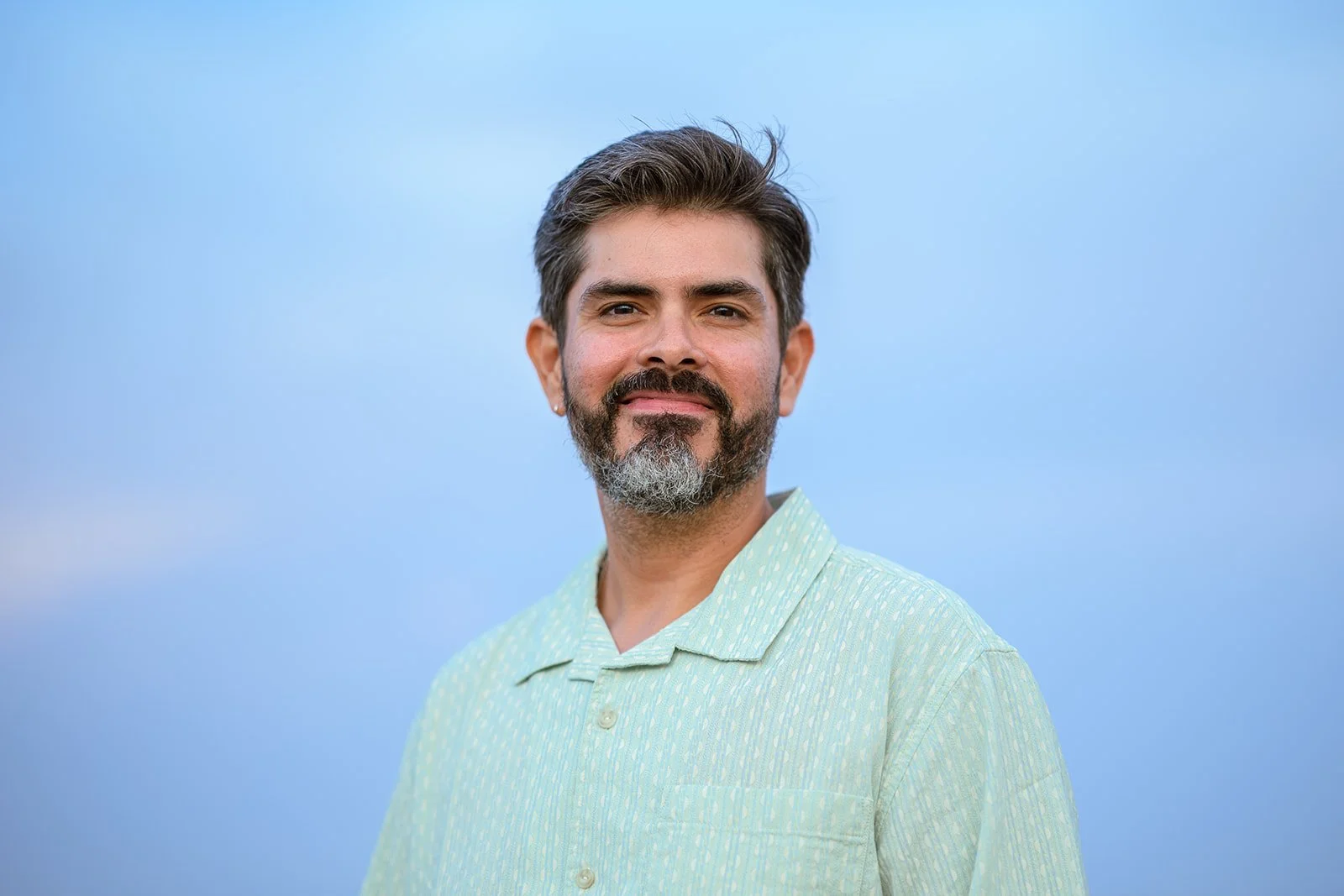
Welcome.
For many men, connecting with and expressing emotions isn’t easy. Societal, familial, and cultural expectations often teach men to be strong, self-reliant, and in control—to push through rather than pause, solve problems rather than express vulnerability, and carry difficult experiences privately. Over time, this can make it harder to understand what you feel, ask for support, or let yourself be known.
I understand this personally. I know how difficult vulnerability can feel, especially when you haven't had much space to express what you're feeling or let yourself be fully seen.
Sometimes the ways we cope with difficult emotions can become patterns of their own—through pornography, substances, compulsive behaviors, avoidance, or other ways of escaping stress, loneliness, anxiety, or pain. While these strategies may provide temporary relief, they can ultimately leave you feeling more disconnected or stuck.
I work with men and couples navigating depression, anxiety, lingering effects of trauma, grief, chronic stress, relationship difficulties, substance abuse, and major life transitions. For men, therapy can help develop greater emotional awareness, regulation, self-understanding, and connection. For couples, I help partners break out of painful patterns, communicate more effectively, deepen emotional intimacy, and rebuild trust.
You don’t have to figure it all out alone. Therapy can be a place to slow down, understand what’s beneath the surface, and move toward greater clarity, connection, and a life that feels more intentional.
Creating Space for Connection and Change
In my practice, therapy is a process of pacing with you, not pushing you. Like the ancient symbol of the labyrinth, healing is not about finding the fastest route, but about walking a steady path inward—toward understanding, and back out—toward integration and clarity.
I specialize in working with men and couples who are navigating the complex impact of:
Trauma and relational or sexual abuse/developmental wounds
Anxiety, depression, chronic stress, and burnout
Grief & loss, exploring the difficult/complex relationship with the one that has passed
Emotional numbness, reactivity, or difficulty regulating emotions
Pornography, substance use, and other coping patterns
Relationship conflict, betrayal, disconnection, and difficulty with intimacy
What We Can Work On Together
Whether you're coming to therapy on your own or with your partner, our work together may focus on:
Understanding how past experiences shape the way you think, feel, cope, and relate
Becoming more aware of your emotions and learning to respond rather than react
Developing greater nervous system regulation and emotional steadiness
Breaking patterns of avoidance, disconnection, conflict, or unhealthy coping
Building stronger boundaries, communication, and self-understanding
Rebuilding trust, intimacy, and connection in your relationships
My approach is relational and trauma-informed, integrating somatic awareness and emotionally focused techniques with evidence-based practices tailored to your needs. Whether you're working through personal challenges or relationship difficulties, therapy provides a grounded space to slow down, understand what’s beneath the surface, and create meaningful change.
Services
Individual Therapy
Support for men experiencing depression, anxiety, overwhelm, symptoms/strategies due to trauma, and/or emotional disconnection.
Couples Therapy
Healing for partnerships affected by trauma, betrayal, grief, or emotional distance. Focused on rebuilding trust, safety, and authentic communication.
Consultation and Supervision
Clinical consultation and supervision for therapists seeking support with complex cases, trauma-informed care, integrating somatic and relational approaches into their practice.
Specialties
Men’s Issues | Trauma | Grief | Chronic Stress | Somatic Integration | Relationship Repair
Virtual only sessions.
About Derrick J. Miller, LMSW, SEP
I’m a licensed clinical social worker committed to helping men and couples move toward greater clarity, resilience, and connection. My work is grounded in trauma-informed care, relational therapy, and an understanding of how the nervous system shapes the way we think, feel, and relate. I believe meaningful change begins with understanding what drives our patterns and developing new ways of responding—not simply trying harder to change them.